
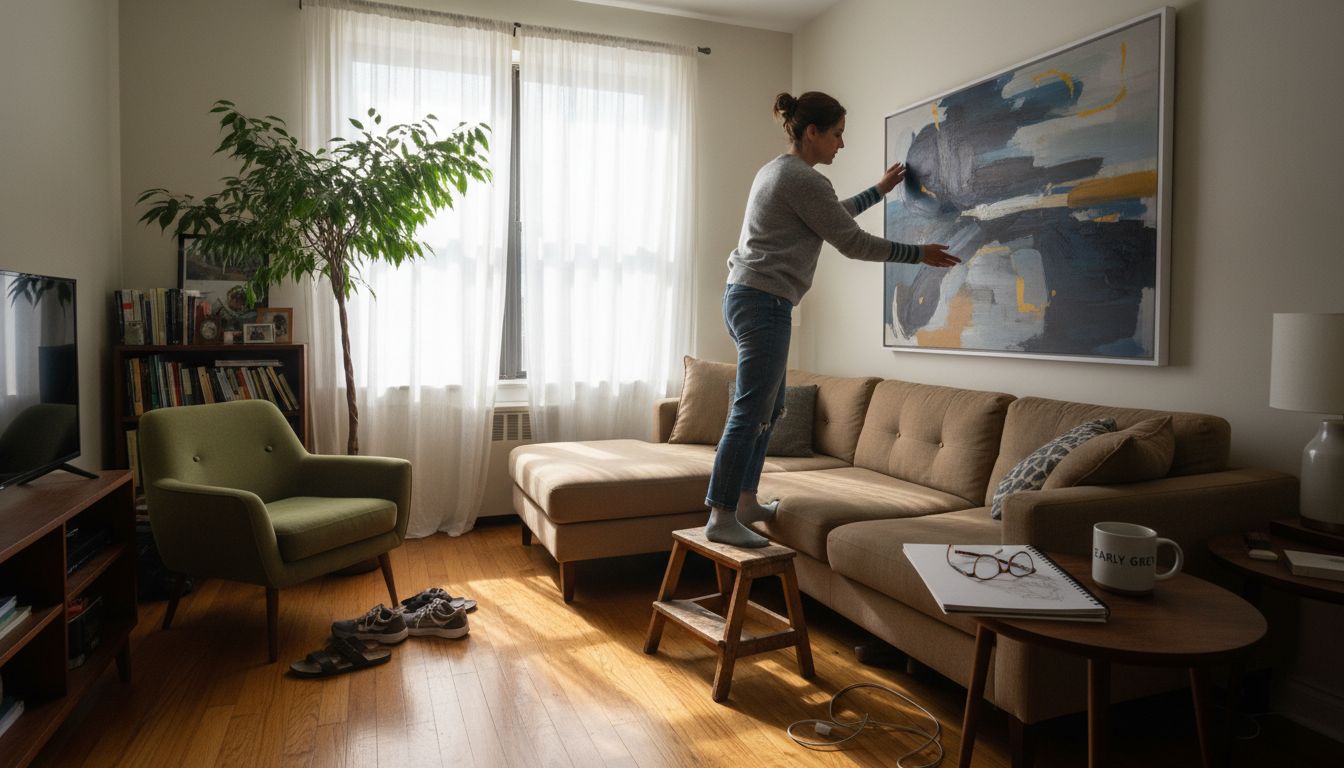
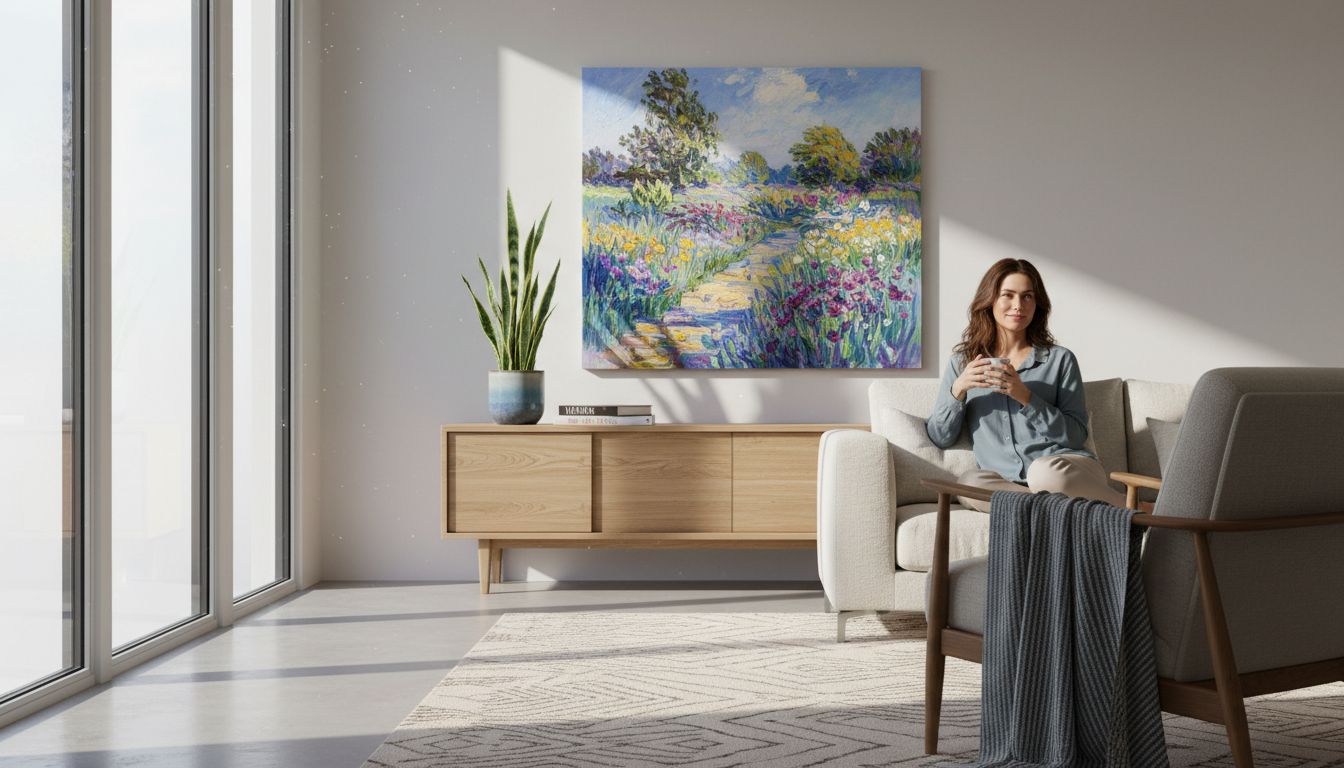
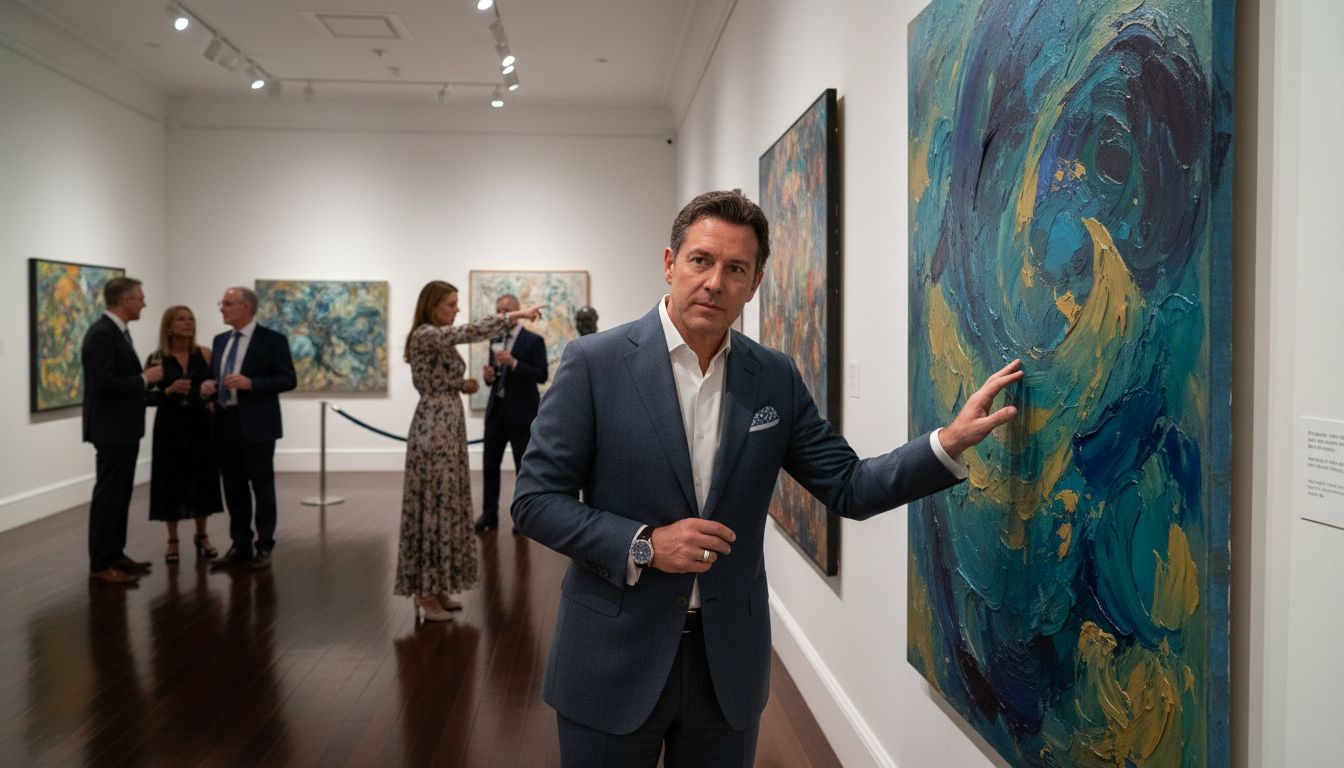
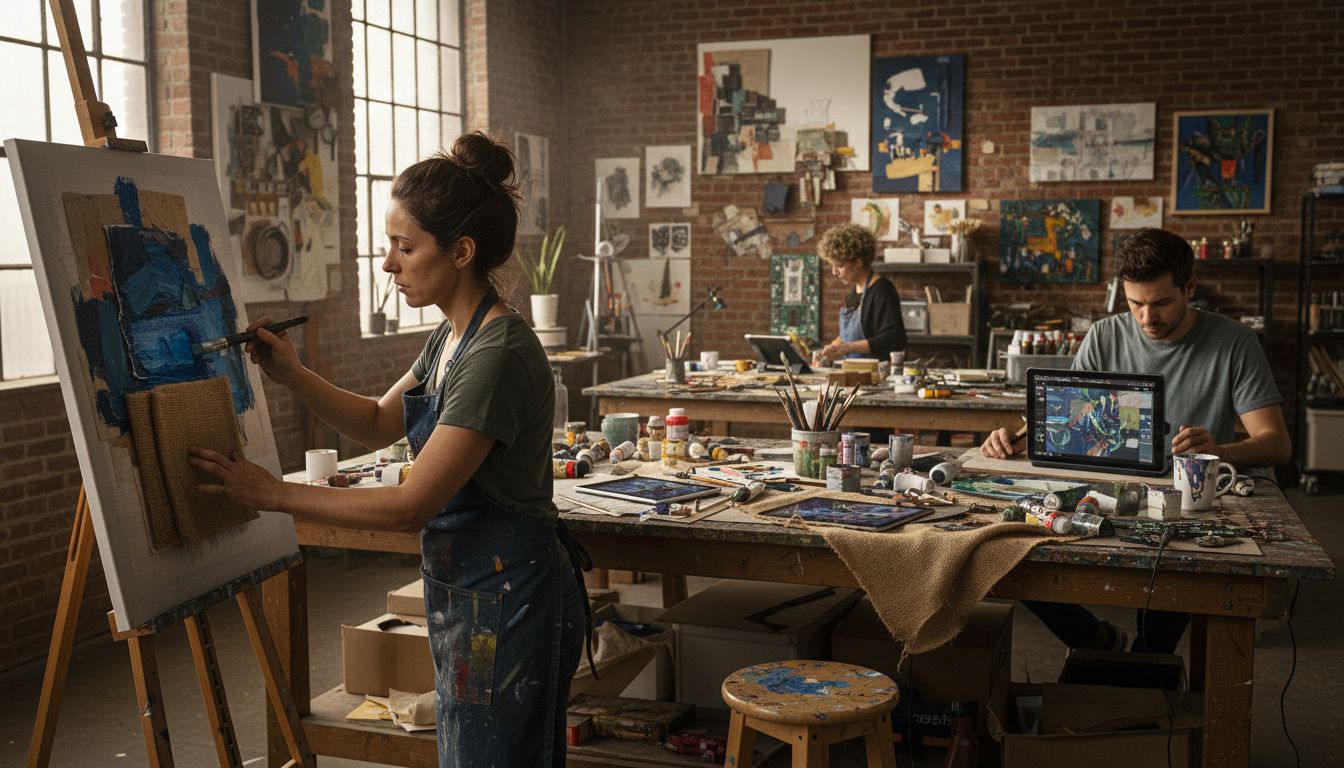
A surprisingly large number of artists are choosing mixed-media art today because it offers the freedom to push boundaries and create new visual worlds. In a world where classical techniques are often perceived as restrictive, mixed media provides space for genuine experimentation. Anyone wanting to know why this art form is becoming increasingly popular and how diverse its possibilities are will discover not only innovative avenues of creative expression here, but also learn how over 70 percent of all contemporary exhibitions feature mixed-media works .
Table of contents
- What is mixed-media art really?
- Types and techniques of mixed-media art
- Materials and creative possibilities
- Why Mixed-Media Art is so Popular
- Risks and practical requirements
Key findings
| Point | Details |
|---|---|
| Mixed-media art | Mixing different materials and techniques creates unique, aesthetic experiences. |
| Variety of techniques | Collages and assemblages offer complex narrative structures and bridge art genres. |
| Emotional depth | Mixed-media art reflects personal stories and social commentary, which makes it particularly appealing. |
| Important materials | Choosing and combining the right materials is crucial for the longevity and quality of mixed-media artworks. |
What is mixed-media art really?
Mixed-media art is a fascinating artistic form of expression that deliberately dissolves traditional boundaries between different art materials and techniques. This innovative approach allows artists to push creative boundaries and create entirely new aesthetic experiences. At its core, it involves combining various artistic materials such as acrylics, watercolors, photography, digital elements, and even three-dimensional objects in a single artwork.
The unique aspect of mixed-media art lies in its versatility and experimental nature. Artists deliberately combine different media such as canvas, paper, collage, textiles, and digital techniques to create complex visual narratives. This approach allows for an incredible range of expressive possibilities—from abstract compositions to highly detailed, ambiguous artworks that challenge and provoke thought in the viewer.
For art lovers and collectors, mixed-media art offers a unique opportunity to acquire artworks that are more than just traditional paintings. This art form tells stories, conveys emotions, and simultaneously reflects the complexity of our modern, multimedia-driven world. Each work is unique, weaving together different techniques, textures, and visual languages to create an entirely new aesthetic experience. Why buy contemporary art can provide profound insight into the significance of such innovative art forms.
The emergence of mixed-media art is closely linked to the desire to break artistic conventions and develop new forms of expression. Whether through the combination of painting and photography, the integration of digital elements into traditional techniques, or the use of unexpected materials, mixed-media artists continuously expand the boundaries of what art can be and what it can mean.
Types and techniques of mixed-media art
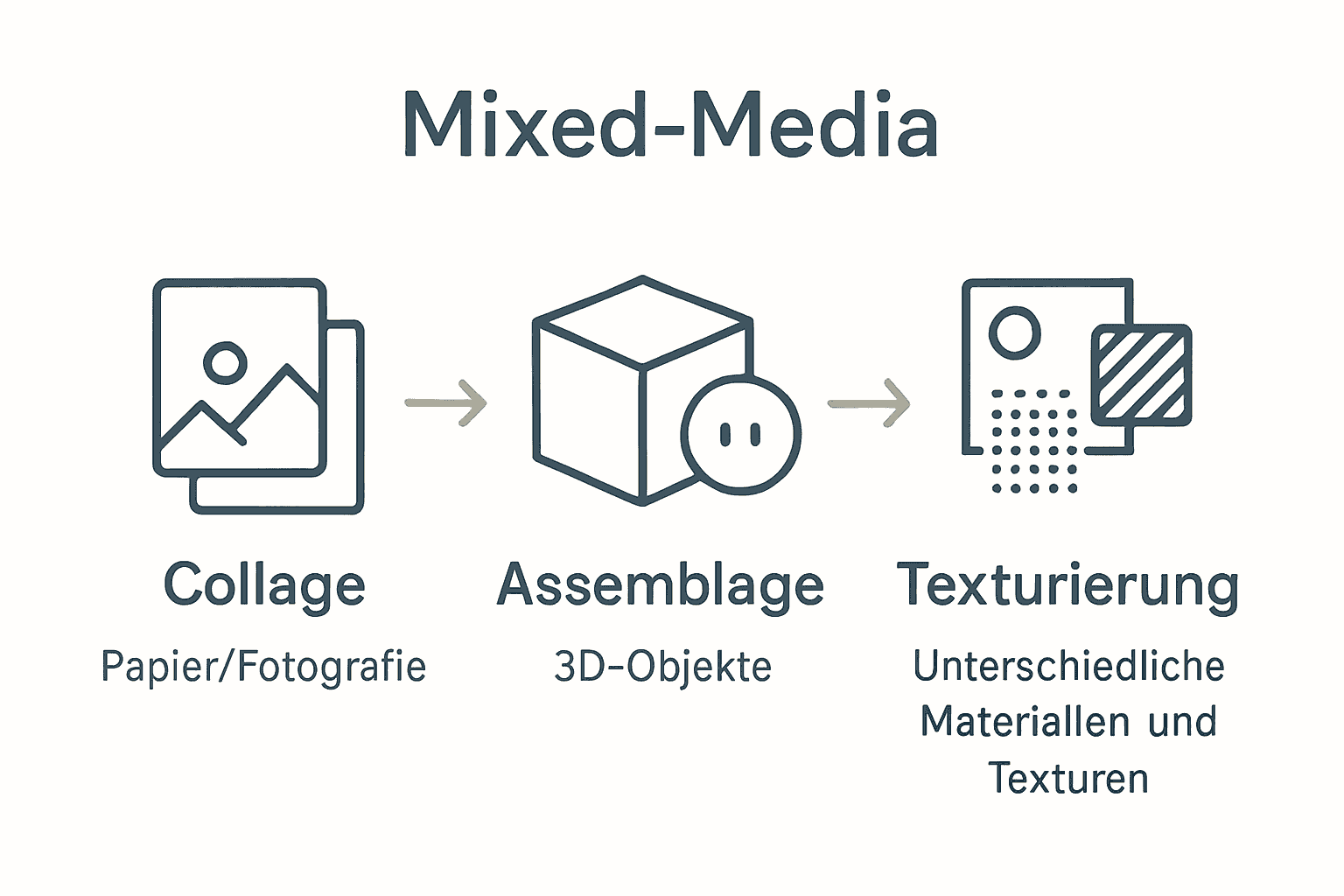
The world of mixed-media art encompasses an impressive variety of creative techniques and approaches that artists use to bring their vision to life. Basic techniques include collage , which combines various materials such as newspaper, photographs, textiles, and pigments on a canvas or other support. This approach allows artists to create multi-layered and highly complex visual narratives.
Another fascinating technique is assemblage , in which three-dimensional objects and found objects are integrated into a work of art. Artists often use everyday objects such as metal parts, fragments of wood, buttons, or even electronic components to generate new aesthetic and semantic layers of meaning. This technique breaks down traditional boundaries between sculpture, painting, and object art.
Digital technologies have further revolutionized mixed-media art. Artists now combine digital image processing, photography, screen printing, and traditional painting techniques to create complex and ambiguous works. Exploring contemporary art can provide deeper insight into these innovative artistic strategies. The boundaries between analog and digital creation are increasingly blurring, opening up entirely new aesthetic possibilities.
A particularly captivating form of mixed-media art is texturing , in which artists deliberately blend different materials such as acrylic, watercolor, sand, textiles, or even organic materials like leaves and twigs. This technique creates not only visual but also tactile stimuli, inviting the viewer to experience the artwork with all their senses. The diversity and experimental nature of mixed-media art make it one of the most exciting contemporary art forms.
and creative possibilities
The variety of materials in mixed-media art is virtually limitless, offering artists an incredible range of creative expression. Traditional art materials such as acrylics, watercolors, oils, and pastels often form the basis for complex compositions. These classic materials are skillfully combined with unconventional elements such as newspaper, fabric scraps, metal foil, or even electronic components.
Organic and recycled materials that artists incorporate into their works are particularly fascinating. Leaves, twigs, seashells, textile remnants, or scrap metal are not merely used as decorative elements, but carry their own semantic meaning. These materials tell stories of transience, transformation, and the connection between humanity and nature. Creating art for the home can be an inspiring way to integrate such meaningful artworks into personal spaces.
Digital technologies are expanding the boundaries of what can be considered artistic material. Digital image editing, photography, 3D rendering, and even algorithms and artificial intelligence are used by mixed-media artists as creative tools. These technologies make it possible to create entirely new visual worlds that merge traditional artistic techniques with innovative digital approaches.
The selection and combination of materials follows no rigid rules, but is a deeply intuitive and personal process. Each material contributes to the overall composition with its own texture, color, and symbolic meaning. Mixed-media art celebrates this diversity and invites the viewer to explore and interpret the complex layers and connections.
Why Mixed-Media Art is so Popular
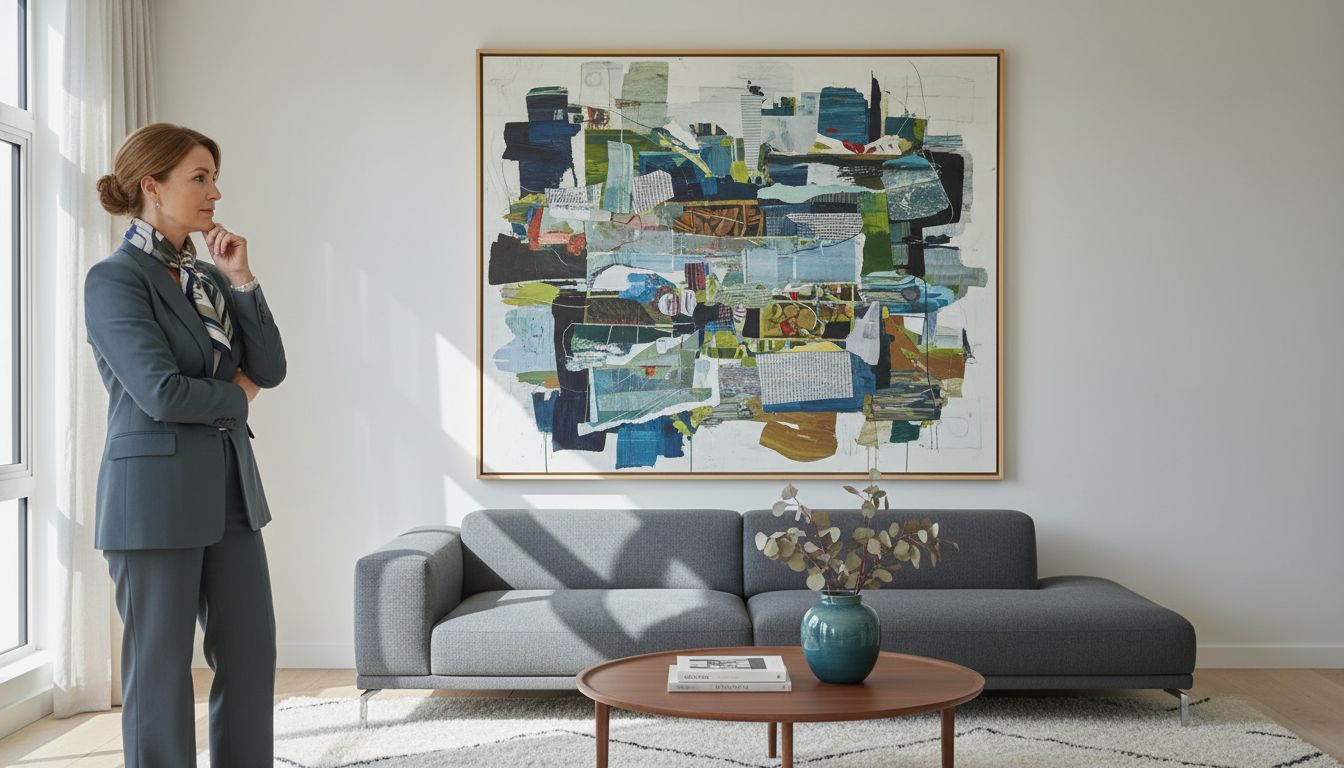
Mixed-media art has gained remarkable popularity in recent years, rooted in our need for authenticity and individual expression. Emotional depth is one of the main reasons for its growing popularity. Unlike traditional art forms, mixed-media allows artists to visualize complex emotional landscapes and personal narratives through the skillful combination of different materials and techniques.
The ability to tell personal stories and offer social commentary makes mixed-media art particularly appealing. Artists use diverse materials not only aesthetically, but also as semantic carriers of meaning. Found objects, everyday items, and digital elements become visual metaphors that emotionally resonate with viewers and stimulate reflection. Why buy contemporary art can provide deeper insight into the emotional dimension of modern art forms.
Another key to its popularity is the democratic nature of mixed-media art. It transcends traditional artistic hierarchies and boundaries between different art disciplines. Amateurs and professional artists alike can experiment, as the technique requires no strict rules or expensive specialized equipment. This accessibility and willingness to experiment make this art form appealing to a broad audience.
Furthermore, mixed-media art reflects the complexity of our modern, interconnected world. In an age of digital technologies and global networking, this art form represents our need for hybridity, flexibility, and the overcoming of rigid categories. It celebrates the diversity of human experience and invites the viewer to discover new perspectives and question familiar ways of seeing.
and practical requirements
Mixed-media art is a fascinating but technically demanding art form that requires careful preparation and sound knowledge of materials. Material expertise is crucial to minimizing potential risks and creating high-quality artworks. Wikipedia's entry on mixed media, for example, emphasizes the importance of proper gluing techniques and correct layer drying to avoid loss of quality.
A critical aspect is the choice of support, which significantly influences the stability of the artwork. Heavy or bulky materials require a particularly robust substrate – wood has proven to be an excellent option here. Additionally, artists must consider the compatibility of different materials: not all paints, adhesives, and surface treatments are equally compatible. Careful preliminary analysis and material testing are essential to prevent discoloration, peeling, or unwanted chemical reactions.
Oil paints should generally be applied as the final layer to ensure optimal adhesion and longevity. EMF Verlag also recommends specific practice techniques to minimize risks and master practical challenges. Professional artists often invest in high-quality, acid-free materials and pay attention to archival-quality techniques.
An often underestimated risk is the long-term durability of mixed-media works. Organic materials can weather, papers can yellow, and adhesives can change their properties. Regular care, proper storage, and protection from direct sunlight are crucial for preserving these artworks. Art lovers and artists must therefore work not only creatively but also with scientific precision to create durable, high-quality mixed-media artworks.
Discover the magic of mixed-media art in unique originals.
Mixed-media art combines diverse materials and techniques to create expressive works full of depth and emotion. If you are fascinated by the diversity of this art form and are looking for a special artwork that unites both traditional painting and digital elements, then Ea Bodin's Medi-Large Canvas | Original Artwork is just right for you.
Be inspired by artistic compositions that blur the lines between analog and digital, and experience firsthand how mixed-media art transforms your spaces. Start your personal art journey now at eabodin.com and discover the SoulSisters | Limited Edition for expressive limited-edition artworks. Take advantage of free consultation and digital preview to find your perfect artwork and enjoy hassle-free worldwide shipping. Experience genuine emotion for your home.
Frequently Asked Questions
What is mixed-media art?
Mixed-media art is an artistic form of expression that combines various materials and techniques to create unique works of art. Acrylics, watercolors, photography, and digital elements are frequently used.
What techniques are used in mixed-media art?
Basic techniques include collage, assemblage, and texturing. Artists combine materials such as paper, fabric, and three-dimensional objects to tell complex visual stories.
Why is mixed-media art so popular?
The popularity of mixed-media art lies in its emotional depth and its ability to reflect personal and societal themes. It invites artists and viewers to explore the diversity of human experience.
What materials can be used in mixed-media art?
Mixed-media art utilizes a wide variety of materials, including traditional artists' materials such as paints, as well as unconventional elements like newspaper, textile scraps, and digital technologies. This diversity allows for a broad range of creative expression.

Leave a comment
This site is protected by hCaptcha and the hCaptcha Privacy Policy and Terms of Service apply.